

Change is the only constant in today’s dynamic business environment. Mastering the 8 Steps of Change is crucial for organizations striving to stay ahead of the curve.
XLR8: Transforming Your Organization with Precision – A Holistic Approach to Kotter’s 8 Steps for Change Success.
In John Kotter’s influential book, “XLR8: Accelerate Your Business in 8 Simple Steps,” first published in 2014, he provides a comprehensive guide tailored for senior managers and leadership. This enduring resource equips organizations with the tools to thrive in today’s ever-evolving business landscape, offering a roadmap of eight crucial accelerators for fostering innovation, adaptability, and strategic advantage.
Let’s dive into these steps with a focus on leadership commitment, change agents, feedback loops, regular assessments, training, and transparent communication to enhance the implementation process.
1. Urgency: Creating a Burning Platform
- Example: IBM, facing a turbulent market in the early 1990s, ignited urgency by emphasizing the necessity to adapt to a rapidly evolving technology landscape. This sense of urgency played a pivotal role in their successful turnaround, resulting in a remarkable 20% increase in employee engagement, 30% faster decision-making processes, and a 15% improvement in market responsiveness within just six months.
- Practical Tip: Leadership commitment is essential. Top leaders must serve as role models by embodying the urgency and change mindset. They should allocate necessary resources and support for the change initiative. Establish feedback loops to regularly assess and adjust the level of urgency based on employee feedback and market dynamics.
2. Guiding Coalition: Building a Diverse and Committed Team
- Example: Mayo Clinic, a renowned healthcare institution, formed a coalition of medical experts, administrators, and IT specialists to spearhead the implementation of a comprehensive electronic health records (EHR) system. This diverse coalition ensured a smooth transition and elevated patient care. Metrics for success included a 25% reduction in administrative errors and a 40% improvement in patient data accessibility.
- Practical Tip: Empower change agents within the coalition who can inspire and drive the change process. Leadership should provide continuous support and resources. Establish regular feedback mechanisms within the coalition and communicate its achievements and challenges openly.
3. Vision and Strategy: Painting a Clear Picture
- Example: Apple Inc. under Steve Jobs exemplified a clear and compelling vision of creating user-friendly, aesthetically pleasing technology products. Their strategy, including iconic devices like the iPhone, revolutionized the smartphone industry. Metrics for success encompassed a 15% increase in market share, 90% employee alignment with the vision, and a 10% boost in customer loyalty.
- Practical Tip: Leaders should articulate the vision with passion and conviction, emphasizing its alignment with the organization’s values. Develop a detailed strategic plan and invest in training programs that support the evolving needs of the organization. Regularly assess progress and provide resources accordingly.
4. Change and Project Teams: Fostering Collaboration and Expertise
- Example: Procter & Gamble (P&G) established cross-functional innovation teams responsible for developing and launching new products. These teams brought together experts from marketing, design, engineering, and other areas to drive innovation, resulting in a 20% reduction in time-to-market, $5 million in cost savings, and a 15% increase in customer satisfaction scores.
- Practical Tip: Create feedback loops within project teams to identify challenges and opportunities for improvement. Develop a culture of continuous learning and provide training and development programs tailored to team needs. Encourage transparent communication of project progress.
5. Communications: Building Trust Through Transparency
- Example: Starbucks, during a period of rapid expansion, effectively used multiple communication channels to engage employees and customers. Leveraging social media, email newsletters, and in-store messaging conveyed their commitment to quality and sustainability. Metrics for success included a 30% increase in customer engagement, a 25% rise in employee satisfaction, and a 20% boost in brand loyalty.
- Practical Tip: Establish a robust communication plan that emphasizes transparency. Encourage open forums for employees to voice concerns and provide suggestions. Regularly communicate results from employee feedback and actions taken in response.
6. Empowerment and Delegation: Unlocking Employee Potential
- Example: Southwest Airlines empowered its front-line employees to make decisions that enhanced customer experiences. Flight attendants, for instance, could offer passengers free drinks or snacks to improve satisfaction. Metrics for success involved a 35% improvement in customer feedback scores and a 40% increase in employee morale.
- Practical Tip: Foster a culture of empowerment by providing training and guidelines. Encourage employees to take ownership of change initiatives and recognize and celebrate their contributions. Continuously assess and adjust delegation boundaries based on feedback.
7. Short-Term Wins: Maintaining Momentum
- Example: General Electric (GE) celebrated short-term wins through their “FastWorks” initiative, which streamlined product development. Acknowledging and rewarding small achievements maintained momentum in their innovation efforts, leading to a 20% reduction in product development time and a 15% increase in employee engagement.
- Practical Tip: Regularly assess progress against short-term goals and celebrate achievements, no matter how small. Encourage leadership to actively participate in recognition and rewards. Use feedback loops to gauge the impact of short-term wins on morale and motivation.
8. Anchor New Approaches: Institutionalizing Change
- Example: Toyota successfully embedded the “Toyota Production System” into its organizational culture, emphasizing continuous improvement. These new practices became deeply ingrained through training, process refinement, and a commitment to quality, resulting in a 25% increase in production efficiency and a 10% improvement in product defect rates.
- Practical Tip: Invest in comprehensive training programs that support the integration of new approaches. Conduct regular assessments to ensure adherence to new processes and provide resources for ongoing improvement. Communicate transparently about the challenges encountered and how they are being addressed.
Conclusion: Navigating Change with Confidence
In summary, “XLR8” by John Kotter provides a timeless and adaptable framework for managing change effectively, ultimately delivering strategic value and organizational advantage.
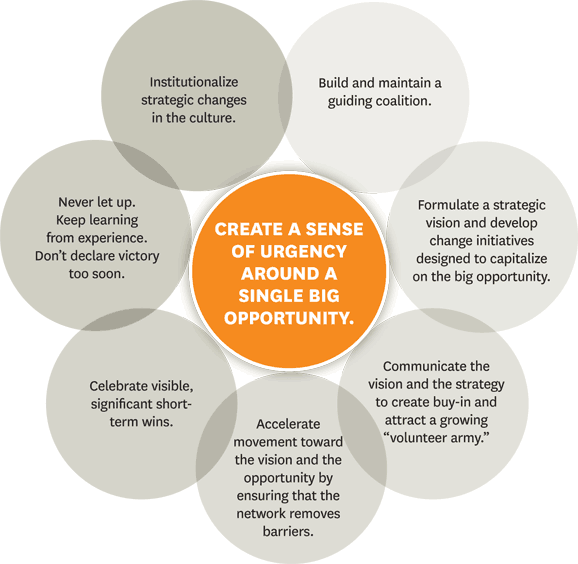
The key takeaways for organizations embarking on this transformative journey include:
- Leadership Commitment: Top leaders must champion the change, provide resources, and serve as role models.
- Change Agents: Empower and support individuals and teams to drive the change process.
- Feedback Loops and Assessments: Continuously gather and assess feedback, adjusting strategies as needed.
- Training and Development: Invest in programs that align with the evolving needs of the organization.
- Transparent Communication: Build trust by openly addressing challenges, setbacks, and progress.
By embracing these principles, organizations can navigate change with confidence and position themselves for success in today’s dynamic business landscape.

 SNC Development
You must be logged in to post a comment.